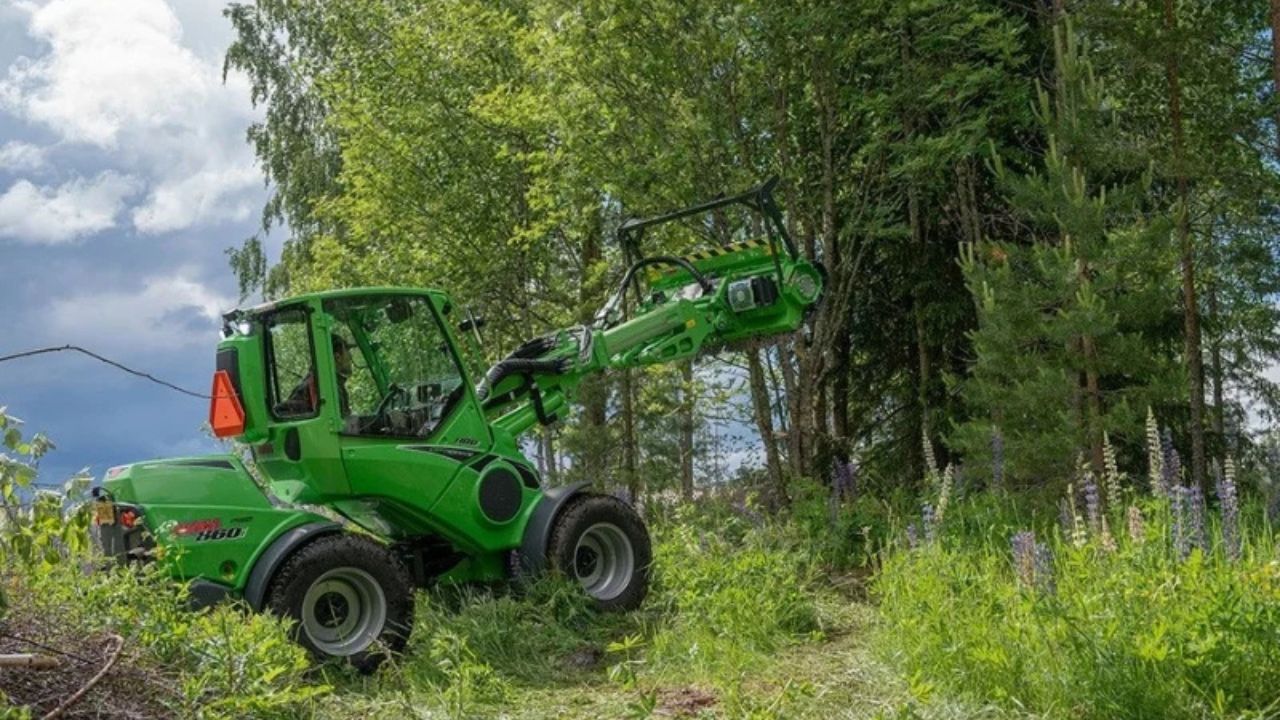
Forestry mulcher teeth are not always applied in the same way. Conditions on the ground can vary by job site, affecting the efficiency of teeth. Soil type, foreign objects in the soil, moisture content, vegetation density, and more items… affect the cutting process. Proper selection of tooth configuration is determined not only by the equipment being used. It is also about matching the tool to the land. In many field operations, systems supplied by JYF Machinery are selected because they offer different tooth types for different working surfaces.
Soft Soil Conditions
Soft soil is easier on cutting equipment but creates its own challenges. The ground gives way easily, which can cause the machine to sink slightly during operation. This affects how deeply the teeth engage with the vegetation. In such cases, a light cut is sufficient. Teeth are not required to exert excessive pressure as the vegetation is usually softer and easily crushable. The primary objective is to achieve consistent cutting without causing excessive agitation of the surface.
Hard Packed Ground
Hard soil changes how teeth interact with the surface. The machine experiences more resistance when cutting close to the ground. This increases wear on the cutting edges over time. In such conditions, stronger teeth are preferred because they can handle repeated contact with compact surfaces. The cutting process becomes more about steady grinding than quick slicing.
Rocky Terrain
Rocky ground is one of the most demanding conditions for forestry work. Hidden stones can strike the teeth suddenly during an operation, causing a sharp impact. This type of environment requires teeth that can handle sudden force without cracking. Even small rocks can change how long a tooth lasts, so durability becomes a key factor in selection.
Wet and Muddy Areas
Wet soil affects both movement and cutting performance. Mud can stick to the machine, reducing the drum’s smooth rotation. This increases resistance during operation. Under these conditions, teeth must continue working even when covered by wet material. Machines supported by JYF Machinery are often used in such areas because they are designed to maintain cutting ability even when conditions are not clean or dry.
Mixed Vegetation Zones
Some sites contain a mix of soft plants, thick brush, and small trees. These areas are unpredictable because the resistance changes constantly as the machine moves forward. Teeth used in these zones need to balance cutting and grinding. They must handle light material quickly while remaining strong enough for harder sections without slowing the process.
Sandy Ground
Sandy soil creates a different kind of wear. The fine particles move around the cutting area and, over time, act like sandpaper. This slowly reduces the sharpness of the teeth. While sandy ground does not create strong impact damage, it increases gradual wear. This makes material strength more important than impact resistance in these conditions.
Clay Soil Conditions
Clay soil is dense and sticky. It retains moisture and clumps around the cutting edges, increasing resistance during rotation. In clay-heavy areas, teeth must be able to push through thick layers without losing cutting speed. The challenge is not only cutting the vegetation but also handling the heavy soil buildup around the drum.
Sloped Ground
Sloped land changes how pressure is applied to the teeth. One side of the machine may carry more load than the other during movement. This uneven pressure affects wear patterns over time. Teeth used on slopes must be able to handle the shifting force without breaking or losing balance during operation.
Forest Floor Conditions
Forest floors often contain roots, fallen branches, and hidden debris under vegetation. These hidden elements create sudden resistance during cutting. Teeth operating in these areas must be able to handle both surface vegetation and underground obstacles. This requires a balanced design that does not fail under unpredictable contact.
Dry Hard Vegetation
Dry vegetation is hard yet dense. While it will break down faster than fresh vegetation, it can still provide resistance when packed together tightly. When cutting such vegetation, the teeth should cut continuously without bouncing off a hard surface. This material should be tough enough not to chip when impacted.
Cold Climate Ground
Cold environments can make soil harder and vegetation more rigid. Frozen ground increases resistance and can make cutting more difficult. Teeth used in these conditions must handle both frozen surfaces and stiff plant material. This combination increases stress on the cutting edge during each pass.
Conclusion
The selection of appropriate forestry mulcher teeth depends heavily on the ground the equipment operates on. Factors such as soil type, moisture, vegetation mixture, and foreign objects determine the efficiency and durability of teeth used. In practice, systems supported by JYF Machinery are often chosen to handle varying ground conditions across diverse forestry environments.