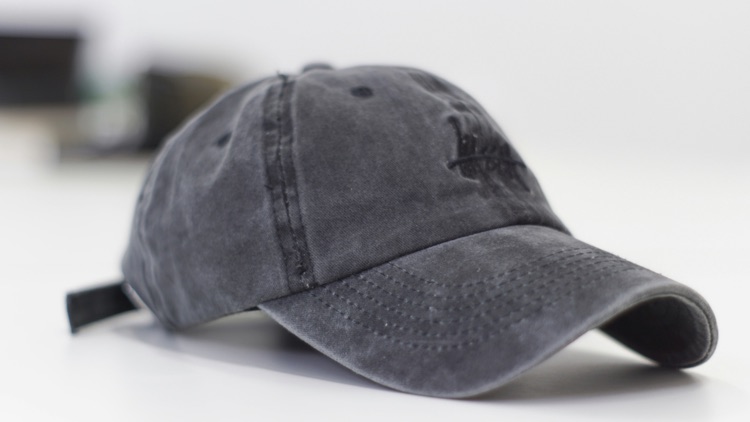
Many buyers search for custom Melin hats because they like the premium look, clean structure, and performance feel that the category represents.
That does not mean every buyer is looking for official Melin-branded products. Some corporate teams, golf brands, resorts, lifestyle labels, and sports retailers are really looking for premium custom performance hats with similar quality expectations: lightweight comfort, water resistance, breathable panels, clean logos, and retail-ready finishing.
The important point is to separate inspiration from trademark use. If you need official branded Melin products, you should use authorized brand channels. If you want private-label premium performance hats, work with an OEM headwear manufacturer and define the materials, fit, decoration, and quality standard clearly.
For private-label projects, buyers can use custom melin hats as a starting search idea, but the manufacturing brief should focus on performance features rather than copying a protected brand.
What Buyers Usually Mean by Premium Performance Hats
Premium performance hats are not basic promo caps with a higher price tag. They usually combine a cleaner silhouette with materials that work for golf, travel, outdoor wear, running, resort retail, or corporate gifting.
The common buyer expectations include:
- A structured or semi-structured crown that keeps its shape
- Lightweight polyester, nylon, stretch fabric, or blended performance fabric
- Moisture-wicking sweatband
- Breathable side or rear panels
- Water-resistant or quick-dry finishing
- Smooth brim shape
- Clean logo decoration
- Consistent sizing across bulk production
- Packaging that protects the crown during shipping
When buyers do not define these details, suppliers may quote a generic cap. The sample may look acceptable, but the final product may not feel premium during real use.
Avoid Trademark Problems Before Sampling
Brand-led search terms can create confusion in sourcing. A buyer may ask a factory to “make Melin hats,” when they actually mean “make premium performance hats for our own brand.” Those are very different requests.
A responsible OEM manufacturer should not produce counterfeit branded goods or use another company’s trademarks without authorization. The safer and more practical route is to describe the product standard:
- Crown profile
- Fabric type
- Sweatband requirement
- Decoration method
- Closure style
- Brim shape
- Water resistance or breathability target
- Retail positioning
This keeps the project focused on legal private-label manufacturing instead of brand copying.
Start With the Use Case
A premium golf hat, a resort retail cap, and a corporate gifting cap may look similar in photos, but they need different specifications.
Golf hats often need a clean front panel, stable brim, comfortable sweatband, and a fit that works through long outdoor use. Resort hats may prioritize a lifestyle look, color palette, and retail packaging. Corporate gifting hats may need reliable logo placement, broad sizing, and a premium feel without creating a complex production process.
Before you ask for pricing, answer these questions:
- Who will wear the hat?
- Will it be used for sport, travel, retail, gifting, or daily wear?
- Does the hat need water resistance, UV protection, or quick-dry fabric?
- What logo method fits the brand image?
- What is the expected retail or gift value?
- How many sample rounds can the timeline allow?
The clearer the use case, the easier it is for a manufacturer to recommend the right construction.
Choose Materials for Feel, Not Only Appearance
Premium hats often fail when the fabric is selected only from photos. A fabric may look smooth but feel hot, collapse after stitching, or wrinkle during packing.
For performance-style hats, buyers often consider polyester, nylon, stretch woven fabrics, lightweight technical fabric, perforated panels, and moisture-control trims. The right choice depends on the product.
For example, a golf cap may need a stable front panel and a clean surface for embroidery or patch work. A running cap may need lighter fabric and stronger airflow. A resort cap may need a softer hand feel and color consistency.
Ask the supplier how the fabric behaves after cutting, sewing, decoration, packing, and repeated wear. A good material choice should support both the look and the function.
Match the Logo Method to the Product
Logo decoration is a major part of the premium feel.
Embroidery can look classic and durable, but it can add stiffness on lightweight panels. Heat transfer can create a clean technical look, but it needs the right fabric and application control. Silicone, TPU, woven, leather, and rubber patches can all work, but each changes the weight, cost, and visual style.
When reviewing decoration options, check:
- Logo size and position
- Fabric compatibility
- Color accuracy
- Edge finish
- Flexibility
- Wash and sweat exposure
- Whether the logo feels too heavy for the cap
The best method is not always the most expensive one. It is the method that fits the cap’s use case and brand positioning.
Sampling Should Include Wear Testing
Premium hats should not be approved from table photos alone.
During sample review, check how the hat feels on the head, how the brim sits, whether the sweatband feels rough, whether the front panel keeps shape, and whether the logo looks balanced from normal wearing distance.
If the product is for golf or outdoor use, have someone wear it outside. If it is for corporate gifting, check how it looks when unpacked. If it is for retail, review color, labels, hangtags, and packaging together.
Sampling is also the right time to confirm whether the manufacturer can repeat the approved sample at bulk scale.
Quality Control for Premium Hat Orders
Premium positioning makes consistency more important. Buyers should not only check whether the logo is correct. They should also inspect shape, stitching, panel symmetry, sweatband placement, brim curve, closure function, packing shape, and color matching.
For repeat orders, compare the new batch against the approved sample and previous production. Small changes in crown depth, fabric stiffness, or logo placement can make the product feel different to returning customers.
Conclusion
Buyers searching for custom Melin-style products are usually looking for premium performance headwear, not just another promotional cap.
The right way to source that product is to define the performance standard, avoid trademark confusion, build a clear sample brief, and check comfort, shape, logo method, and bulk consistency before production. That process gives brands a better chance of creating private-label hats that feel premium without stepping into avoidable legal or quality problems.